

Discover why businesses rush for accreditations in Q1 and how to avoid the January bottleneck. Learn how early planning helps you secure tenders and reduce stress.
A personal data breach under UK GDPR is any accidental or unlawful loss, disclosure, alteration or unauthorised access to personal data. Organisations should assess each incident proportionately, document their decisions and report breaches to the Information Commissioner’s Office only where UK GDPR requires them to do so.
Data breaches and GDPR in the UK
Data breaches are one of the most common ways UK organisations come under GDPR scrutiny. While it’s often large-scale cyber attacks that make the headlines, most personal data breaches result from far more routine failures: emails sent to the wrong person, unclear responsibilities, unmanaged systems, or decisions made quickly under operational pressure, which can all lead to breaches.
Reading Time: 4 minutes
UK GDPR does not expect organisations to eliminate all risk. It expects them to understand where risk exists, manage it proportionately, and respond appropriately when incidents occur. In practice, how an organisation prepares for, assesses and responds to a breach often matters as much as the breach itself.
What counts as a personal data breach?
Under UK GDPR, a personal data breach occurs when personal data is accidentally or unlawfully destroyed, lost, altered, disclosed or accessed without authorisation.
This goes well beyond cyber attacks. Common examples include:
- Emails containing personal data sent to the wrong recipient
- Lost or stolen laptops, phones or removable storage
- Staff accessing shared folders or systems without proper authorisation
- Failures or misconfigurations at suppliers or cloud platforms
- Personal data retained longer than intended and accessed inappropriately
Most breaches do not involve malicious intent. Instead, they expose weaknesses in governance, such as unclear ownership, poor data control or processes that have not kept pace with operational change.
Understanding reporting obligations
One of the most common areas of confusion is breach reporting. Not every incident must be reported to the Information Commissioner’s Office (ICO).
UK GDPR requires organisations to notify the ICO within 72 hours only where a breach is likely to result in a risk to individuals’ rights and freedoms. Where the risk is high, affected individuals must also be informed without undue delay.
To make that decision, organisations must actively assess:
- What type of personal data was involved
- How many individuals are affected
- Whether the data is sensitive or easily exploitable
- The realistic likelihood of harm
- Whether mitigation steps reduced the risk
Reporting ‘just in case’ when the breach is unlikely to pose a risk can create unnecessary disruption. The ICO expects organisations to assess the likely risk to individuals, decide proportionately, and document the reasoning — whether they notify or not.
Documentation and accountability
Regardless of whether an incident is reported externally, UK GDPR requires organisations to record all personal data breaches internally.
That record should clearly show:
- What happened and when it was identified
- How the organisation assessed the risk
- What actions were taken to contain or mitigate the issue
- Why the breach was reported, or why it was not
This documentation matters. When regulators or clients review an incident, they look for evidence of timely, considered decision-making, not hindsight perfection.
Why breaches often point to deeper problems
In many cases, a breach is not a one-off failure. It exposes underlying issues such as:
- Unclear ownership of systems or data
- Excessive or outdated access permissions
- Legacy platforms still holding live personal data
- Informal workarounds becoming standard practice
- Suppliers processing data without sufficient oversight
These risks tend to develop gradually as organisations grow, restructure or adopt new tools. Without regular review, gaps emerge between written policies and how data is actually handled day to day.
Preparing for incidents before they happen
Organisations that handle breaches well rarely improvise. They usually have:
- Clear escalation routes
- Named decision-makers
- Staff who understand what might constitute a breach
- Confidence to pause activity and seek advice early
Preparation does not require complex plans or heavy bureaucracy. It requires clarity: who flags an issue, who decides next steps, and how decisions are recorded. Training plays a critical role here. Staff need to escalate concerns early, without fear of blame.
Managing incidents calmly and proportionately
When an incident occurs, speed matters — but so does control. Decisions driven by panic or fear of fines often create further risk.
A structured response allows organisations to:
- Contain issues quickly
- Assess risk realistically
- Avoid unnecessary escalation
- Document decisions clearly and defensibly
Accountability always remains with the organisation. External advisers can support judgement, but responsibility for compliance cannot be delegated.
How JVR Consultancy supports incident readiness
JVR Consultancy supports organisations in building confidence around breach readiness and incident response.
This includes reviewing how potential breaches are identified and escalated, advising on reporting thresholds, supporting decision-making under time pressure and helping organisations document their reasoning clearly during client or regulatory scrutiny.
The focus is not reactive firefighting, but equipping organisations to assess risk accurately and act decisively. By grounding GDPR compliance in operational reality, JVR helps organisations reduce uncertainty, avoid over-reaction and build resilience into everyday governance.
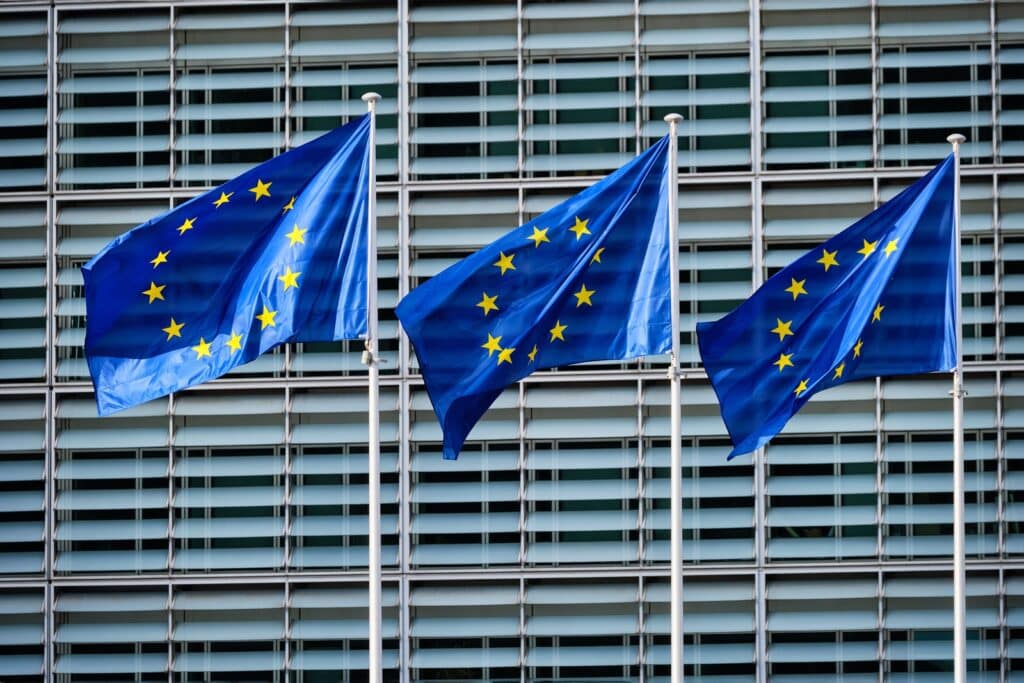
The Importance of Expert EU Representation in Post-Brexit Trade: Insights from JVR Consultancy
Explore the critical role of expert EU representation in post-Brexit trade with insights from JVR Consultancy. Learn how to navigate new regulations, access European markets, and manage compliance effectively. Visit our guide for specialised support in EU representation for UK businesses.

EU Representation a full guide for UK businesses
As we welcome in 2021 with more than one challenge facing businesses and our economy read our guide that tackles Brexit and EU representation
Nationwide Presence
26 national support locations throughout the UK. See Office Locations.
Fixed Fee Payments
There are no hidden charges, and what you see is what you pay.
Free Gap Analysis
Assess the difference between your business performance & your goals.
Audit Support
Supporting businesses with upcoming compliance audits. FAST TRACK priority support also available.
Ongoing Support
JVR offer Ongoing Support & Maintenance for peace of mind.
Customer Service
Our customer reviews are a testament to our work & the results we achieve.
Experience
Vast experience in developing compliant integrated management systems
Thorough Process
We write procedures, policies & associated documentation.
Bespoke
Our services are tailored to meet individual company requirements.
Audit Support
Get FAST TRACK Audit Support with JVR Consultancy Today. Click here to find out more.

Free Gap Analysis
Book a Free Gap Analysis for your business. To learn more, why not read our What is Gap Analysis blog article and understand how a Gap report would benefit your company.
Related Articles
More reasons to choose JVR Consultancy for Compliance & Risk Management